Lee Oskar Major Diatonic Review: Built to Be Repaired
Lee Oskar Major Diatonic review: a durable plastic-comb harmonica with replaceable reed plates. Design, tuning, pros, cons and who it suits.
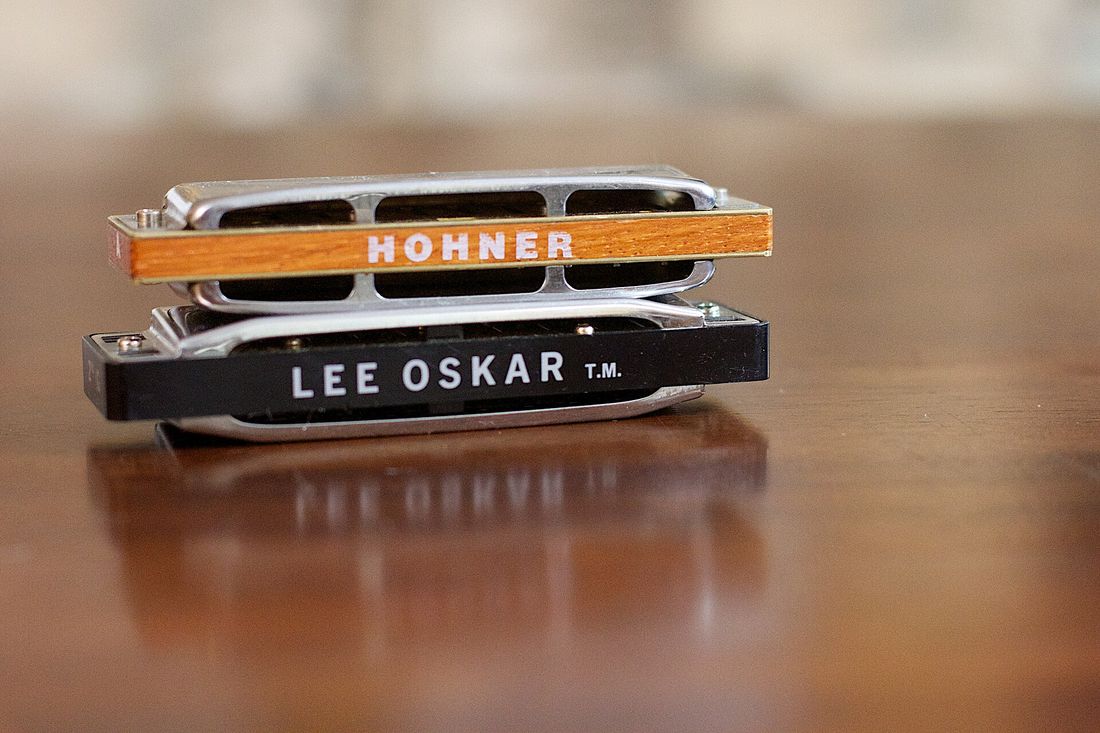
The Lee Oskar Major Diatonic has been a favourite of working players since the 1980s. Its reputation rests on two things: toughness, and a system of replaceable reed plates that keeps the cost of ownership down. This review explains how it is built and who it suits.
At a glance
| Type | 10-hole diatonic, Richter tuning |
| Maker | Lee Oskar Harmonicas, made in Japan by Tombo |
| Comb | Plastic |
| Reeds | Brass |
| Reed plates | Recessed, sold separately as replacements |
| Assembly | Screws |
| Tuning | Equal temperament |
| Best for | Beginners and gigging players who want a low-maintenance instrument |
What it is
Lee Oskar is a Danish-born harmonica player who came to fame with the American band War. In 1983 he launched his own line of harmonicas, manufactured in Japan by the long-established maker Tombo. The Major Diatonic is the standard model and the one a beginner would buy.
Design and build
Comb. A plastic comb with recessed reed plates gives a smooth mouthpiece and good airtightness. The holes are slightly larger than on many competitors, which some players find makes single notes easier to locate.
Replaceable reed plates. This is the heart of the design. When a reed wears out, you buy a new pair of reed plates in the same key, undo a few screws and fit them to your existing comb and covers. It costs noticeably less than a new harmonica.
A modular system. Lee Oskar also makes harmonicas in alternative tunings, including Natural Minor, Harmonic Minor and Melody Maker. The combs and covers are shared, so plates can be swapped between them.
Key labelling. The key is marked on the end of the instrument, along with the key you will be in when playing in second position. This is a real convenience on a dark stage, and helpful for learners.
Tuning: equal temperament
The Major Diatonic is tuned to equal temperament, the same system used for pianos and guitars. In practice this means single-note melodies sound accurately in tune with other instruments, in any position. The price is that chords sound a little less smooth than on harmonicas tuned with a compromise temperament, such as the Hohner Special 20. If you mainly play melodies and single-note lines, this suits you. If you love thick, sweet chords for rhythm playing, you may notice the difference.
Strengths
- Robust and long-lasting.
- Replacement reed plates reduce long-term cost.
- Comfortable plastic comb that needs little care.
- Accurate tuning for melody playing.
- Clear key and position markings.
Weaknesses
- Chords are slightly rougher than on compromise-tuned harmonicas.
- The larger holes and overall feel do not suit everybody.
- Tone is often described as bright; players wanting a dark, mellow sound may prefer something else.
Who should buy it
The Lee Oskar is a strong first harmonica and an excellent choice for anyone who plays hard and often. If you know you will wear reeds out, being able to replace the plates is a genuine advantage.
Alternatives to consider
- Hohner Special 20 - similar comfort, smoother chords.
- Seydel Session Steel - stainless steel reeds for durability.
- Best harmonicas for beginners - our full round-up.
Filed under: Reviews Diatonic Harmonica Reviews