Hohner Special 20 vs Marine Band: Which Should You Buy?
Hohner Special 20 vs Marine Band 1896 compared: comb, comfort, tone, volume, maintenance and which of the two classic harmonicas suits you.
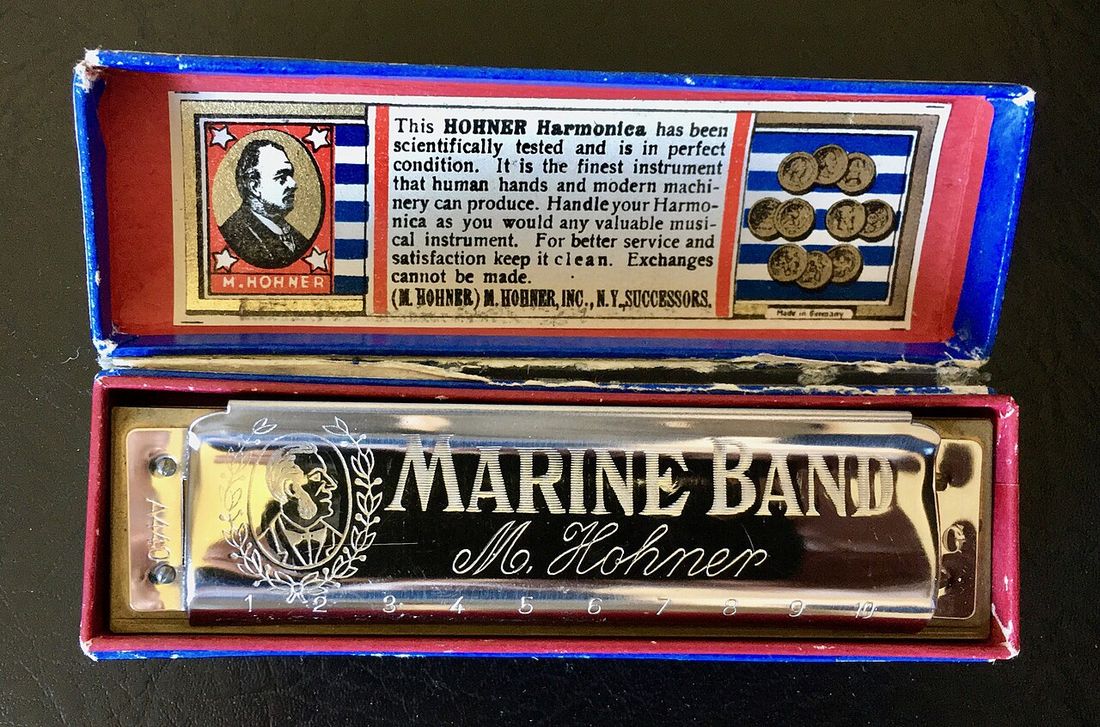
These are Hohner's two best-known diatonic harmonicas, and the choice between them is one of the most common questions new players ask. They use similar brass reeds and come from the same German maker, yet they feel and sound different. The reason lies in the comb and the covers.
The short answer
- Choose the Special 20 for comfort, easy maintenance and a warm tone. It is the safer first harmonica.
- Choose the Marine Band 1896 for the bright, traditional sound of classic blues and folk recordings, if you are willing to look after a wooden instrument.
Side-by-side
| Special 20 | Marine Band 1896 | |
|---|---|---|
| Introduced | Mid-1970s | 1896 |
| Comb | Plastic | Pearwood |
| Reed plates | Recessed into the comb | On top of the comb |
| Covers | Closed at the sides | Open at the sides |
| Assembly | Screws | Nails |
| Tone | Warm, mellow, focused | Bright, open, raw |
| Volume | Moderate | Louder |
| Mouthpiece feel | Smooth | Layered; edges can be felt |
| Moisture | Unaffected | Wood can swell; keep dry |
| Cleaning | Easy to dismantle | Difficult to dismantle |
Comb and comfort
The Special 20's plastic comb has the reed plates sunk into it, so your lips meet a single smooth surface. The Marine Band is built like a sandwich, with the reed plates between the wooden comb and the covers, and you can feel those layers.
Many players get used to the Marine Band's mouthpiece quickly and come to like it. But for long practice sessions, and for learners whose lips are not yet accustomed to the instrument, the Special 20 is the more comfortable of the two.
Tone and volume
This is where the Marine Band earns its reputation. Its covers are open at the sides and wide at the back, which lets the sound out freely. The result is bright, loud and a little rough around the edges, the sound most people have in their heads when they think of blues harmonica.
The Special 20's closed covers give a warmer, rounder, more contained tone. It is not a worse sound, only a different one, and plenty of professional players prefer it. Through a microphone and amplifier the gap between the two narrows considerably.
Airtightness and bending
A harmonica that does not leak air responds more easily, which matters for bending notes. The Special 20's moulded comb is airtight by design. A wooden comb depends on being flat and well sealed against the reed plates. A good Marine Band bends beautifully, but the plastic design is more consistent from one instrument to the next and stays that way.
Maintenance
The Special 20 comes apart with a screwdriver, can be cleaned thoroughly and does not mind moisture. The Marine Band is nailed together and its comb must be kept reasonably dry; it should never be rinsed. See how to clean and maintain a harmonica.
If you like the Marine Band's sound but not its upkeep, Hohner's Marine Band Deluxe and Crossover models are assembled with screws, at a higher price. The Hohner Rocket takes the opposite route, putting open-sided covers on a plastic comb.
Which for a beginner?
For a first harmonica we suggest the Special 20. The first months are about clean single notes, breath control and the first bends, and an airtight, comfortable, low-maintenance instrument makes all three easier.
The Marine Band makes a wonderful second harmonica. Buy one in a different key, such as A, and you will extend your set and hear for yourself how much difference the design makes.
Full reviews
Filed under: Reviews Comparisons