Oh! Susanna Harmonica Tab (C Harmonica, Easy)
Oh! Susanna harmonica tab for a C diatonic harmonica. An easy, no-bend classic for beginners, with verse, chorus and tips for building speed.
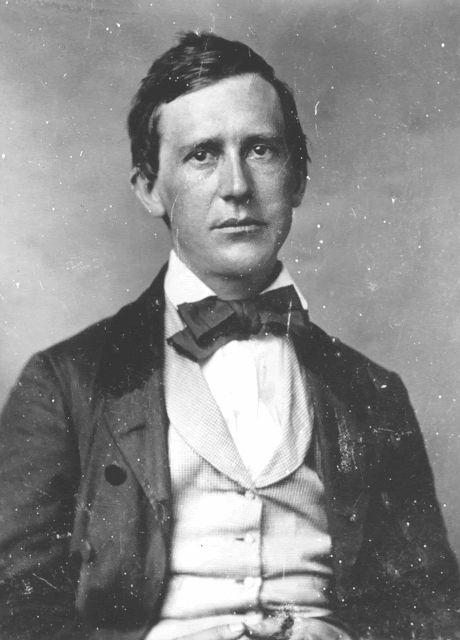
"Oh! Susanna" might be the most played harmonica tune of all. It is bright, bouncy and stays entirely within holes 4 to 6, which makes it ideal for building speed and confidence once your single notes are steady.
Quick facts
| Harmonica | 10-hole diatonic in C |
| Position | First (key of C) |
| Difficulty | Easy |
| Bends | None |
| Holes used | 4 to 6 |
| Time signature | 2/4, lively |
About the song
"Oh! Susanna" was written by the American songwriter Stephen Foster and published in 1848. It became enormously popular almost at once, and was carried west by the prospectors of the California Gold Rush the following year. The harmonica was becoming a common pocket instrument in the same decades, and the tune has been associated with it ever since. Foster died in 1864, and the song is in the public domain.
How to read this tab
A plain number means blow. A minus sign means draw. See how to read harmonica tabs.
The tab
Verse
4  -4  5  6  6  -6  6  5
4  -4  5  5  -4  4  -4

4  -4  5  6  6  -6  6  5
4  -4  5  5  -4  -4  4
Chorus
-5  -5  -6  -6  -6
6  6  5  4  -4

4  -4  5  6  6  -6  6  5
4  -4  5  5  -4  -4  4
Playing tips
- Learn the opening run first. The figure
4 -4 5 6starts three of the four verse lines and comes back in the chorus. The first two notes are quick pick-up notes leading to the beat on5. - Watch the skip. From
5to6you miss out the draw note on hole 5. Both are blow notes, so keep breathing out and slide. - Know the two endings. The first half of the verse ends
-4 4 -4, hanging in the air. The second half ends-4 -4 4, coming home. Mixing them up is the most common slip in this tune. - Give the chorus its long notes. The chorus opens with two long
-5notes ("Oh! Su-"), in contrast to the busy verse. Let them ring. - Keep it bouncy. The rhythm skips along with a long-short feel. Think of the rhythm of the words as you play.
Common mistakes
- Starting too fast. The tune is easy to play slowly and surprisingly slippery at speed. Find a tempo at which you never stumble, then increase it a little each day.
- Breathless playing. The verse alternates blow and draw fairly evenly, but at speed beginners tend to gulp air. Play quietly and the problem disappears. See breathing techniques.
Make it your own
- Add chords. In the gaps at the end of each line, play a quick blow chord
(4 5 6)in rhythm for a campfire feel. - Try tongue slaps. If you are learning tongue blocking, this tune is a classic one to practise on, adding a chord in front of each melody note.
Try these next
- When the Saints Go Marching In - the same holes, a different feel.
- Drunken Sailor - another quick tune that is easier than it sounds.
- 10 easy songs for beginners