10 Easy Harmonica Songs for Absolute Beginners (With Tabs)
Ten easy harmonica songs for a C harmonica, in order of difficulty, with tabs. No bends needed: start playing real tunes today.
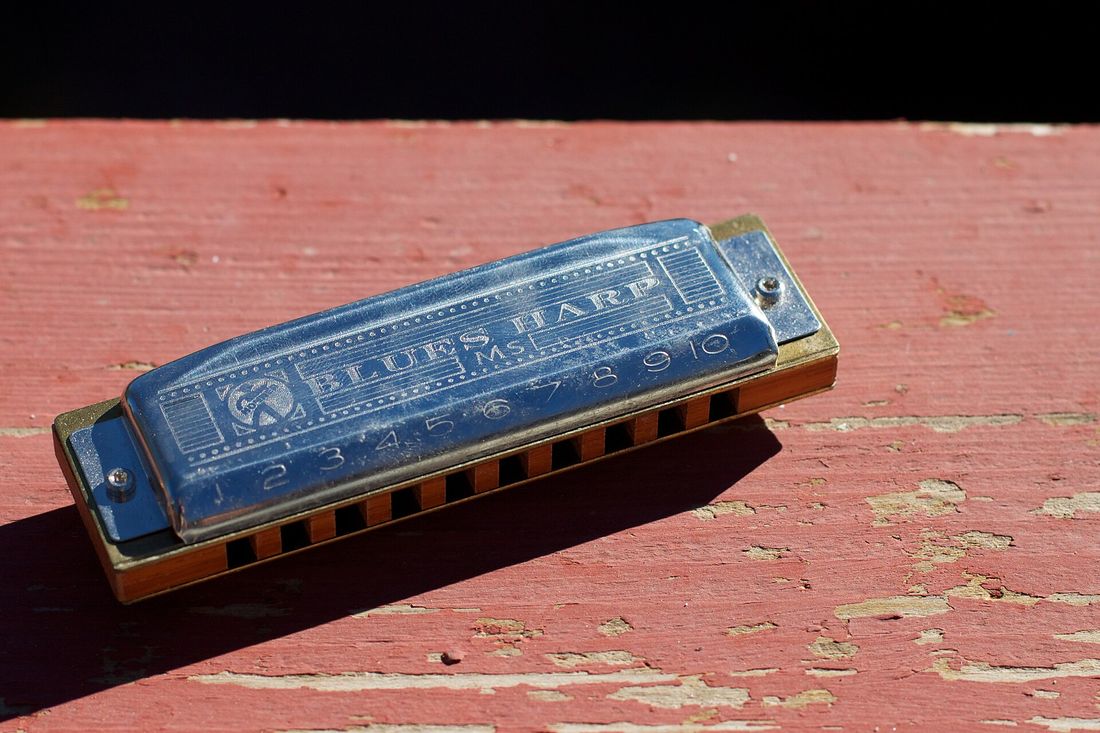
The quickest way to improve is to play real tunes. These ten songs are arranged from easiest to hardest. All are for a 10-hole diatonic harmonica in C, none needs a bend, and all stay mostly in the comfortable middle of the instrument.
A plain number means blow; a minus sign means draw. If that is new to you, read how to read harmonica tabs first.
1. Mary Had a Little Lamb
Just three holes and four notes. The ideal first tune.
5  -4  4  -4  5  5  5
-4  -4  -4
5  6  6
5  -4  4  -4  5  5  5
5  -4  -4  5  -4  4
What it teaches: moving between neighbouring holes and switching breath direction.
2. Twinkle, Twinkle, Little Star
4  4  6  6  -6  -6  6
-5  -5  5  5  -4  -4  4
6  6  -5  -5  5  5  -4
6  6  -5  -5  5  5  -4
4  4  6  6  -6  -6  6
-5  -5  5  5  -4  -4  4
What it teaches: your first jump, from hole 4 to hole 6. Move the harmonica, not your head.
3. Frère Jacques
4  -4  5  4
4  -4  5  4
5  -5  6
5  -5  6
6  -6  6  -5  5  4
6  -6  6  -5  5  4
4  3  4
4  3  4
What it teaches: quicker notes in the third phrase, and a first visit to hole 3.
4. Ode to Joy
Beethoven's great tune moves almost entirely by step, which makes it a favourite with teachers.
5  5  -5  6  6  -5  5  -4
4  4  -4  5  5  -4  -4
What it teaches: smooth, connected playing. See the full Ode to Joy tab.
5. When the Saints Go Marching In
4  5  -5  6
4  5  -5  6
4  5  -5  6  5  4  5  -4
What it teaches: a repeated four-note figure and a lively rhythm. See the full tab.
6. Jingle Bells
The chorus sits almost entirely on hole 5, so you can concentrate on rhythm.
5  5  5
5  5  5
5  6  4  -4  5
What it teaches: repeated notes. Separate them by whispering "ta" as you play. See the full tab.
7. Oh! Susanna
4  -4  5  6  6  -6  6  5
4  -4  5  5  -4  4  -4
What it teaches: speed and breath control in a bouncy tune. See the full tab.
8. Joy to the World
It opens with a complete descending scale, which makes it a scale exercise in disguise.
7 -7 -6 6 -5 5 -4 4
What it teaches: the whole middle octave in one phrase. See the full tab.
9. Amazing Grace
6 7 8 7 8 -8 7 -6 6
What it teaches: playing above hole 7, where the blow note becomes the higher of the pair. See the full tab.
10. Happy Birthday
Surprisingly tricky, because of the wide leap in the third line, but the one tune everybody will ask you to play.
6  6  -6  6  7  -7
6  6  -6  6  -8  7
What it teaches: large jumps between holes. See the full tab.
How to learn a new tune
- Hum it first. If you cannot hum it, you cannot play it yet.
- Take one line at a time. Repeat a single line until it is comfortable before adding the next.
- Go slowly. A slow, correct tune beats a fast, stumbling one. Speed arrives on its own.
- Do not worry about double notes. A neighbouring note sneaking in sounds like harmony. Clean it up gradually with the exercises in our single notes lesson.
- Play it from memory. Once you can, look away from the page. You will listen better and play more musically.
Where next?
When these ten feel comfortable, work through our 30-day practice plan, or browse all our tabs for more traditional songs, carols and hymns.
Filed under: Learn