Auld Lang Syne Harmonica Tab (C Harmonica)
Auld Lang Syne harmonica tab for a C diatonic harmonica with no bends. Verse and chorus, playing tips and the history of Burns's famous song.
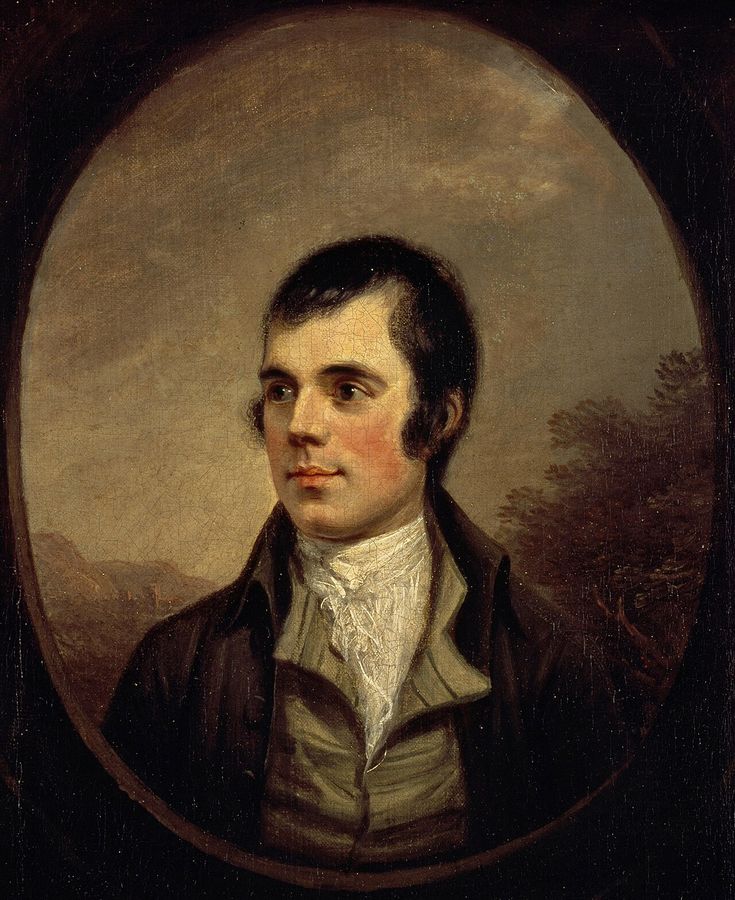
Play this at midnight on New Year's Eve and you will never lack an audience. "Auld Lang Syne" uses a five-note scale, which suits the harmonica perfectly, and the verse and chorus share almost the same shape, so there is less to learn than you might expect.
Quick facts
| Harmonica | 10-hole diatonic in C |
| Position | First (key of C) |
| Difficulty | Easy to moderate, because of the high notes |
| Bends | None |
| Holes used | 6 to 10 |
| Time signature | 4/4 |
About the song
The words are by Robert Burns, Scotland's national poet, who sent a copy to a friend in 1788 and described the song as one he had taken down from an old man's singing. It was first printed in the Scots Musical Museum in 1796. The title is Scots for "old long since", or more loosely "for old times' sake". It is sung across the world at New Year, and in Scotland at Hogmanay and at the close of Burns suppers. Words and tune are both in the public domain.
How to read this tab
A plain number means blow. A minus sign means draw. See how to read harmonica tabs if this is new.
The tab
Verse
Should auld acquaintance be forgot
6  7  7  7  8  -8  7  -8

And never brought to mind?
8  7  7  8  9  -10

Should auld acquaintance be forgot
-10  9  8  8  7  -8  7  -8

And days of auld lang syne?
8  7  -6  -6  6  7
Chorus
The chorus has fewer words than notes, so some syllables are sung across two notes. Play every note and let the words stretch.
For auld lang syne, my dear
-10  9  8  8  7  -8  7  -8

For auld lang syne
8  7  7  8  9  -10

We'll take a cup of kindness yet
-10  9  8  8  7  -8  7  -8

For auld lang syne
8  7  -6  -6  6  7
Playing tips
- Remember the reversed breathing. Everything above hole 7 works the opposite way round from the middle of the harmonica: the blow note is the higher one. The tune rises through
8 9 -10, which is blow, blow, draw. - Take care with hole 10. The draw note on hole 10 is the highest note in the tune. Use very little air and keep your mouth relaxed. If it will not sound, you are almost certainly drawing too hard.
- Find hole 10 by feel. It is the last hole on the right. Let your lips find the end of the harmonica and you cannot miss.
- Keep the rhythm lilting. The tune has a gentle long-short swing. Sing a line, then play it with the same rhythm.
- Breathe out before the third line. It starts on a draw note after a draw note, so let spare air escape through your nose in the gap.
Common mistakes
- Running out of steam on the chorus. The chorus sits high for a long time. Play quietly and it becomes much easier.
- Confusing lines two and four. They start alike,
8 7, but line two climbs and line four falls. Practise the two endings back to back.
A lower version
Played an octave lower, the tune needs a two-semitone bend on hole 3 (-3'') for the low A. Once you can bend, try the opening like this:
3 4 4 4 5 -4 4 -4
Try these next
- Amazing Grace - the same five notes in a slower tune.
- Scarborough Fair - a haunting minor tune from Yorkshire.
- We Wish You a Merry Christmas - another seasonal favourite.