Hohner Super Chromonica 270 Review: The Classic Chromatic
Hohner Super Chromonica 270 review: the classic 12-hole chromatic harmonica. How it works, what it is good for, its drawbacks and who should buy one.
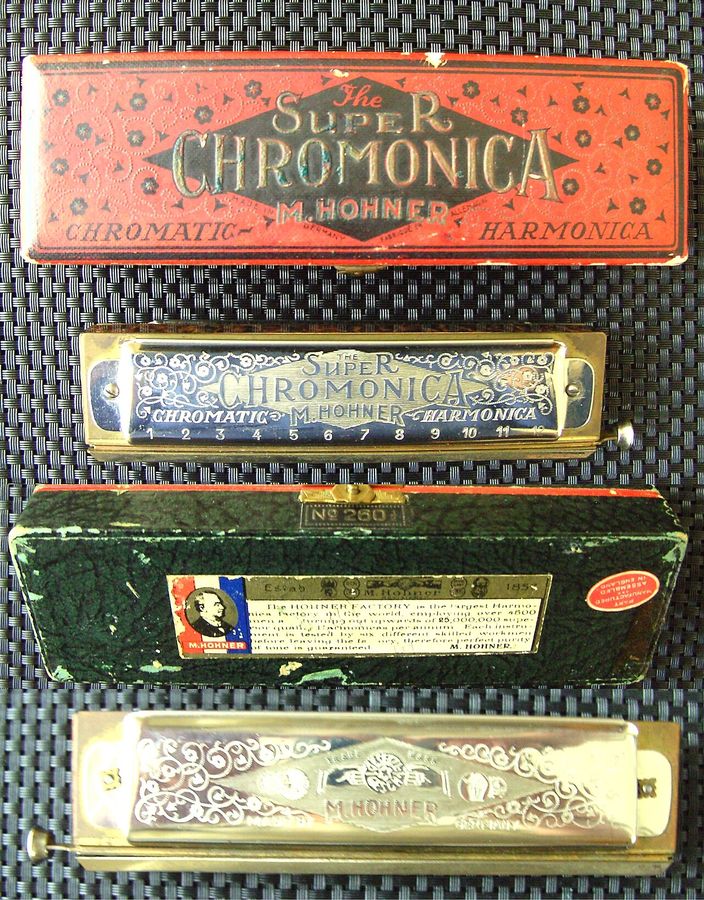
For much of the twentieth century, if you heard a chromatic harmonica on a record, there was a good chance it was a Hohner Super Chromonica 270. It remains the reference point for the 12-hole chromatic. This review covers how it is built and whether it is the right way into chromatic playing.
At a glance
| Type | 12-hole chromatic with slide button |
| Maker | Hohner (Germany) |
| Range | Three octaves |
| Reeds | 48, brass |
| Comb | Pearwood |
| Best for | Jazz, classical, ballads and melodies with sharps and flats |
What it is
A chromatic harmonica has a slide, worked by a button at one end. With the button out, a 270 in the key of C plays the notes of the C major scale. With the button pressed in, every note is raised by a semitone. Between the two you have all twelve notes in every octave, so you can play in any key on one instrument. If this is new to you, see diatonic vs chromatic vs tremolo.
Design and build
Reeds and range. Twelve holes with four reeds each, 48 in all, cover three full octaves. Unlike a diatonic, the note layout is identical in every octave, which makes it logical to learn.
Comb. The comb is pearwood. As with any wooden comb, it should be kept reasonably dry and never rinsed.
Valves. Most of the reeds are fitted with small flexible flaps called valves, or windsavers. They stop air leaking through the reed that is not sounding, which makes the instrument more efficient and louder. They are also the part most likely to need attention: moisture can make a valve stick or buzz.
Slide. The slide mechanism is the moving heart of the instrument and needs to be kept clean to move freely.
What the design means for playing
The 270 has a warm, rounded, singing tone that has defined the sound of the chromatic harmonica. Having every note available without bending makes it suited to jazz standards, classical pieces, film themes and any melody that changes key.
It asks more of the player than a diatonic. It uses more air, the holes are larger, and it does not offer the deep bends or built-in chords that make the diatonic the instrument of the blues. Being able to read music, or at least knowing your scales, is a much bigger help here than on a diatonic.
Maintenance
A chromatic needs more care than a diatonic. Two habits matter most:
- Warm it before playing. Hold it in your hands or keep it in a pocket for a few minutes. A cold instrument causes condensation, and condensation makes valves stick.
- Play with a clean mouth and tap the instrument out afterwards, mouthpiece down.
Strengths
- The classic chromatic tone.
- All notes available in every key.
- Consistent layout across three octaves.
- A long-established design with spare parts and repairers available.
Weaknesses
- Considerably more expensive than a diatonic.
- Wooden comb and valves need careful handling.
- Traditional construction makes home servicing harder than on models assembled with screws.
- Not suited to the bent-note blues sound.
Who should buy it
The 270 suits someone who has decided that the chromatic is their instrument and wants the traditional sound. If you are not yet sure whether you prefer the diatonic or the chromatic, start with an inexpensive diatonic in C; the breath control you develop will transfer.
Related reading
Filed under: Reviews Chromatic Harmonica Reviews