Which Harmonica Key Should You Buy First?
Why C is the best first harmonica key, what to look for when buying a beginner harmonica and which keys to add next.
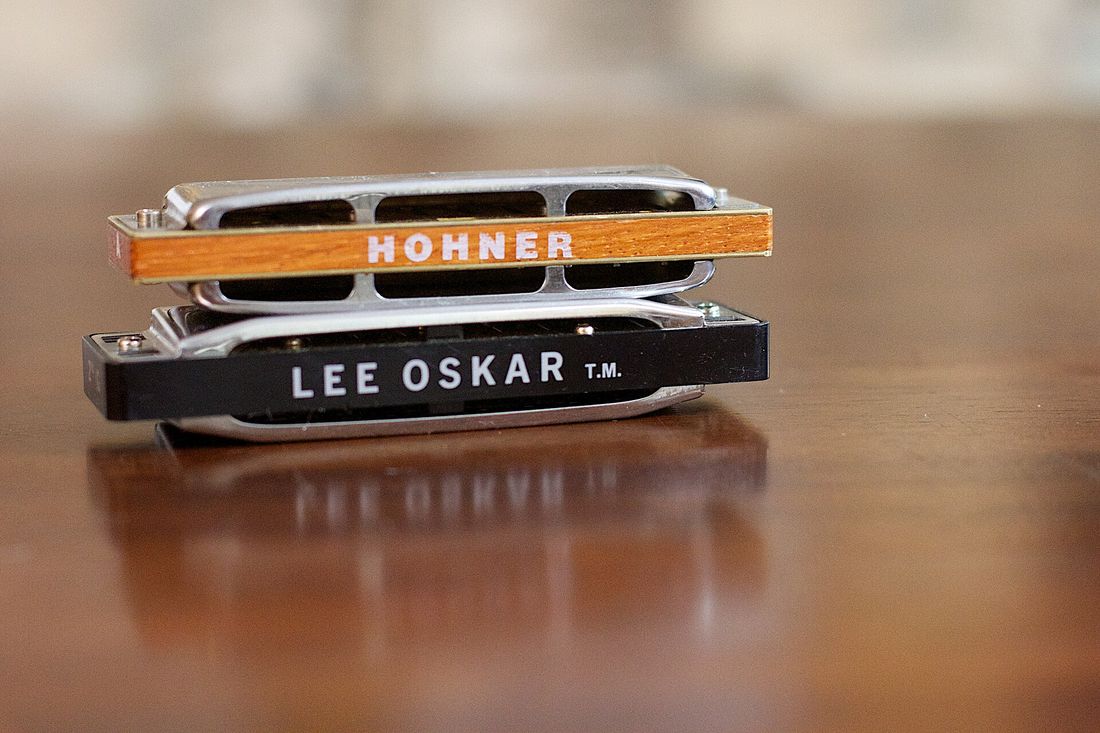
Diatonic harmonicas come in all twelve keys, and a newcomer faced with a wall of them in a shop can be forgiven for hesitating. The answer is simple, and there are good reasons for it.
Buy a C harmonica first
Almost every teacher, book and website recommends a 10-hole diatonic harmonica in the key of C for a first instrument. Here is why.
- Lessons are written for it. The overwhelming majority of beginner books, videos and tabs, including everything on this site, assume a C harmonica. With any other key you will play the right holes but sound different from the example.
- It sits in the middle of the range. Lower keys such as G have long, slow reeds that need more air. Higher keys such as F have short, stiff reeds that can sound shrill and are harder to bend. C is comfortable at both ends.
- The notes are easy to follow. A C harmonica has no sharps or flats, so the note names match the white keys of a piano.
What to look for in a first harmonica
You do not need an expensive instrument, but you should avoid the very cheapest. Toy-grade harmonicas leak air, which makes single notes and bends far harder and convinces many beginners that they have no talent.
Look for:
- A recognised maker. Hohner, Suzuki, Seydel, Lee Oskar and Easttop all make dependable entry-level and mid-range instruments.
- A plastic comb. The comb is the central body that the reed plates are fixed to. Plastic is airtight, comfortable on the lips, easy to clean and does not swell with moisture. Wooden combs have a traditional appeal but can swell and need more care.
- 10 holes, standard Richter tuning. Avoid minor-tuned, tremolo or special-tuned models for now, however tempting the name. The packaging should say "diatonic" and "major" or simply give the key.
- Replaceable reed plates, if you can. Reeds eventually wear out, and replacing the plates costs less than a new harmonica.
Prices change, so compare a few retailers. As a rough guide, a good student harmonica from the makers above costs about the same as a paperback or two, and a professional-grade one about the same as a meal out. Either will serve a beginner well.
New or second-hand?
Buy new. A harmonica goes in the mouth, and reeds wear with use in ways you cannot see. A second-hand instrument may have tired or out-of-tune reeds, and a beginner cannot easily tell.
Which keys to buy next
Sooner or later you will want to play along with recordings or with other musicians, and that means more keys. A sensible order:
| Order | Key | Why |
|---|---|---|
| 1 | C | Learning, lessons, folk tunes in C, blues in G |
| 2 | A | Blues in E, the most common guitar blues key |
| 3 | D | Blues in A; bright folk and Irish tunes in D |
| 4 | G | Folk tunes in G; blues in D; a rich, low sound |
| 5 | B flat | Blues in F; common with horn sections |
| 6 | F | Blues in C; a high, cutting sound |
The second column of reasoning uses second position, in which the harmonica is played a fourth above its own key. That is how most blues and rock is played.
Folk and traditional players often prefer D and G as their second and third harmonicas, because so many session tunes are in those keys.
How do I know which key a song needs?
If you know the key of the song:
- For a melody in a major key, use the harmonica in the same key. This is first position.
- For blues or rock, count up four notes from the song's key. A song in E needs an A harmonica.
Our harmonica keys chart lists every combination.
High and low versions
Some keys are sold in a "low" version, such as Low F, tuned an octave below the standard instrument. They have a deep, mellow sound but respond more slowly. They are an enjoyable later addition, not a first purchase.
Summary
- Start with a C diatonic from a reputable maker, with a plastic comb.
- Avoid the cheapest toy-grade instruments, and buy new.
- Add A and D next for blues, or D and G for folk.
- Look after it: see how to clean and maintain a harmonica.
Still deciding what type of harmonica you want? Compare diatonic, chromatic and tremolo.
Filed under: Guides