Scarborough Fair Harmonica Tab (C Harmonica, Third Position)
Scarborough Fair harmonica tab for a C diatonic harmonica in third position (D minor). No bends. With playing tips and the history of the ballad.
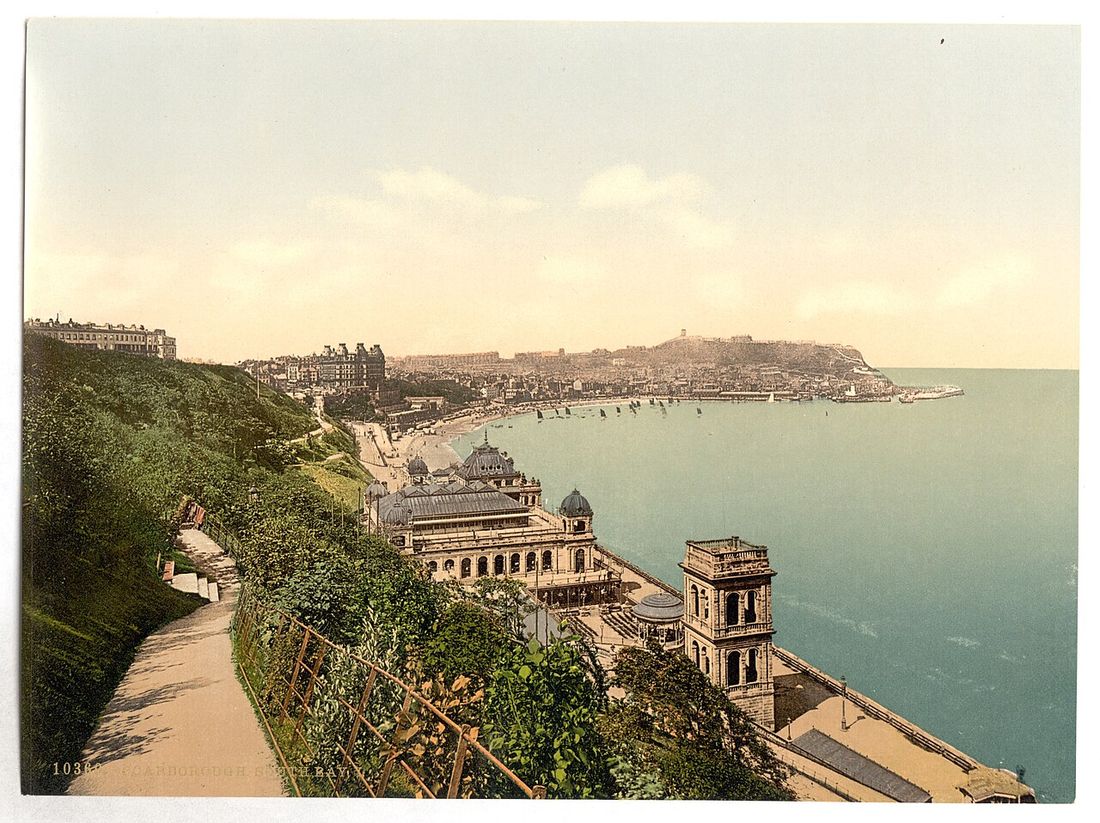
"Scarborough Fair" is a traditional English ballad with a haunting, old-world melody. It is also a wonderful introduction to third position: the whole tune falls on a C harmonica without a single bend, and it sounds far more sophisticated than it is to play.
Quick facts
| Harmonica | 10-hole diatonic in C |
| Position | Third (D minor, Dorian mode) |
| Difficulty | Easy to moderate |
| Bends | None |
| Holes used | 4 to 8 |
| Time signature | 3/4 (count "one, two, three") |
About the song
The ballad takes its name from the great medieval fair held at Scarborough on the Yorkshire coast, which once drew merchants from across Europe. In the song, a former lover is set a series of impossible tasks, such as making a shirt with no seams, before the pair can be reconciled. It is related to a much older Scottish ballad, "The Elfin Knight". The refrain of four herbs, parsley, sage, rosemary and thyme, appears in versions collected in the nineteenth century. The traditional melody and words are in the public domain.
Why third position?
The tune is in a minor-sounding scale called the Dorian mode. On a C harmonica that scale starts on hole 4 draw, the note D, and every note you need is already there:
-4 5 -5 6 -6 -7 7 -8
Read more in harmonica positions explained.
How to read this tab
A plain number means blow. A minus sign means draw. See how to read harmonica tabs.
The tab
Are you going to Scarborough Fair?
-4  -4  -6  -6  5  -5  5  -4

Parsley, sage, rosemary and thyme
-6  7  -8  7  -6  -7  6  -6

Remember me to one who lives there
-8  -8  -8  7  -6  -6  6  -5  5  4

She once was a true love of mine
-4  -6  6  -5  5  -4  4  -4
Playing tips
- Count in three. The first note of most bars is long. "Are" lasts two beats and "you" one; "Fair" and "thyme" each fill a whole bar or more.
- Practise the opening jump. The move from
-4to-6skips a hole. Both are draw notes, so keep the breath going and simply slide. - Manage your air. This tune is heavy on draw notes, so your lungs fill up. Let air out through your nose on the blow notes and between phrases. See breathing techniques.
- Notice hole 7. The second line uses
-7(draw) and7(blow) close together. On hole 7 the blow note is the higher of the two. - Play it softly. The melody suits a quiet, steady tone. Resist the urge to push the high notes of the third line.
Common mistakes
- Speeding up. It is tempting to hurry the long notes. Tap your foot in a slow three.
- A weak final line. The last line descends to the lowest notes of the tune and ends on
-4, the home note. Hold that final note for its full length to give the tune a proper close.
Make it your own
Once you know the notes, try adding a slow hand "wah" on the long notes, or play the tune on a lower harmonica such as a G or an A for a darker, more atmospheric sound. The holes stay exactly the same.
Try these next
- Drunken Sailor - a lively shanty, also in third position.
- Auld Lang Syne - Scotland's most famous song.
- Amazing Grace - another slow tune in 3/4.